
The Transformation of Digital Commerce Discovery
Ecommerce product discovery used to follow a predictable pattern: a shopper entered a 2-word keyword into Amazon or Google Shopping, scrolled through sponsored product ads, and evaluated star counts and shipping speeds.
Conversational search has upended this linear funnel. Shoppers now submit multi-layered shopping inquiries to conversational engines: 'Find a pair of waterproof trail running shoes for wide feet with a zero-drop heel and vibram outsoles under $160, and compare their durability based on Reddit runner feedback.' Generative models resolve these queries by querying structured product graphs, inspecting live merchant feeds, and synthesizing peer community sentiment.
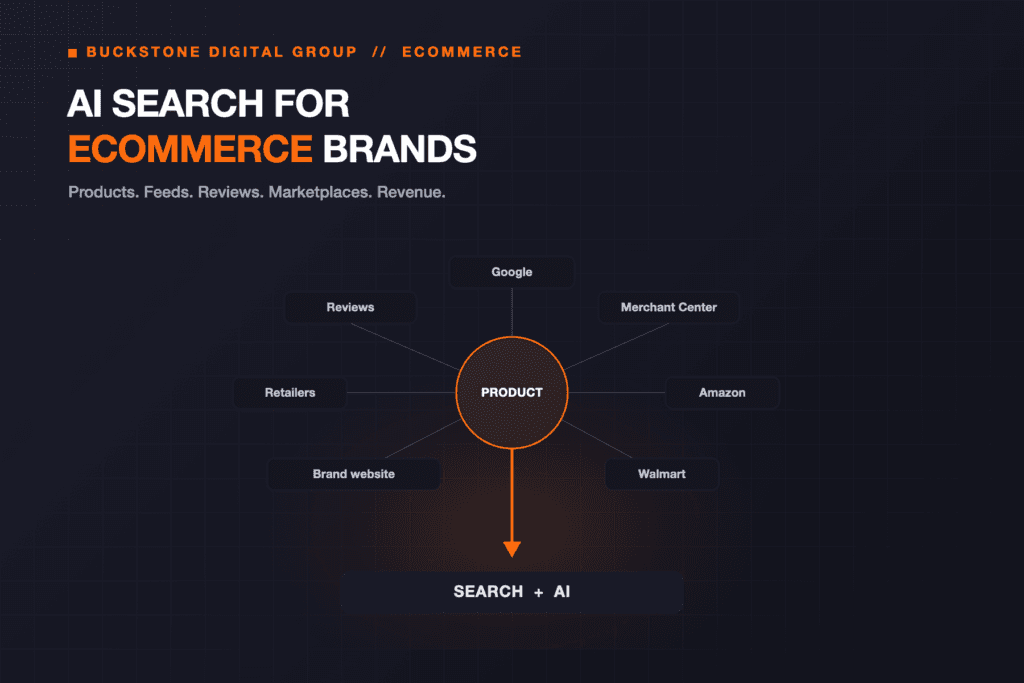
Ecommerce shopping graph and AI product discovery pipeline
Product Attributes Required by Generative Shopping Bots
Conversational commerce engines require granular, machine-readable specifications to match products against nuanced consumer prompts.
| Attribute Category | Specific Data Fields | Where to Implement |
|---|---|---|
| Identification & Lineage | GTIN, UPC, MPN, Brand, SKU, Model Number | Product JSON-LD schema, Merchant Center feeds |
| Commercial Terms | Price, Price Currency, Availability (InStock/PreOrder), Return Policy, Shipping Details | Offer schema, Merchant Center automated shipping rules |
| Physical Specifications | Dimensions, Weight, Materials, Color, Size, Country of Origin | Specification tables in HTML, product feed custom attributes |
| Social Proof & Trust | AggregateRating, reviewCount, verified customer review texts | AggregateRating schema, Google Customer Reviews integration |
The Dual Imperative: Merchant Feeds and On-Page Schema
Many ecommerce operators believe that submitting a Google Merchant Center product feed is sufficient for search discovery. However, AI retrieval models cross-check merchant feeds against on-page HTML to verify price parity and stock availability.
If an AI search bot visits your product page and discovers that the size availability or price in your server-rendered HTML contradicts your feed data, the product is immediately disqualified from conversational recommendation cards to prevent delivering a broken shopping experience.
- Product descriptions composed entirely of promotional lifestyle copy
- Specifications buried in unformatted paragraphs or unreadable graphic banners
- Discrepancies between feed prices and dynamically generated on-page checkout prices
- Reviews loaded via slow, client-side third-party JavaScript widgets
- Clear technical attribute tables detailing materials, dimensions, and specifications
- Pristine Product and Offer JSON-LD schema matching merchant feeds to the penny
- Server-rendered customer reviews and Q&A blocks instantly parsable by bots
- Complete GTIN, MPN, and brand entity identifiers on every product variant
Four Steps to Maximize Ecommerce AI Visibility
Direct-to-consumer and retail brands should execute this optimization framework.
Audit Product Identifier Integrity
Ensure every product variant on your store possesses a unique, officially registered GTIN / UPC barcode and manufacturer part number.
Deploy Nested Product and Offer Schema
Equip all product templates with comprehensive JSON-LD markup detailing price, availability, condition, return policy, and verified aggregate ratings.
Maintain Flawless Feed Parity
Automate inventory and price syncing between your ecommerce database (Shopify, Magento, BigCommerce) and Google Merchant Center.
Cultivate Unbiased Third-Party Sentiment
Monitor Reddit communities, specialized hobby forums, and verified review platforms where enthusiastic consumers discuss product durability and real-world performance.
Frequently Asked Questions About AI Search for Ecommerce
Practical guidance for ecommerce directors and brand managers.
Key Questions & Insights
Yes. Shopify has built-in integration with Google Merchant Center and structured schema output. However, customizing your theme to ensure technical specifications render in raw HTML and adding granular GTIN data significantly elevates citation frequency.
Shen Li
AuthorSenior Search & AI Visibility Strategist at GetRanked. Specializing in technical SEO, Answer Engine Optimization (AEO), entity architecture, and search performance.
Explore GetRanked Services
Turn what you just read into compounding organic visibility, qualified buyer traffic, and revenue growth.
SEO Services
Full-funnel technical SEO, structured content architecture, and authority building designed to capture non-branded search demand.
Local SEO
Google Business Profile optimization, localized entity clarity, and geo-targeted authority to dominate high-intent local queries.
AEO & AI Search Visibility
Structured entity optimization, authoritative citations, and prompt engineering so your brand is recommended by ChatGPT and Google AI Overviews.
Web Design & Development
High-speed, conversion-focused Next.js websites engineered for Core Web Vitals, semantic schema, and seamless buyer experiences.